Why Alaska Is a Different Kind of Trip
The Scale Is the Attraction
Alaska is not a place you see so much as a scale you experience: a state more than twice the size of Texas with a road system that touches only a fraction of it, where the mountains make their own weather, glaciers calve house-sized ice into the sea on their own schedule, and the wildlife — humpbacks, brown bears, sea otters, forty-pound salmon — goes about its business at densities the rest of America forgot were possible. The consequence for the traveler is structural: the best of Alaska is reached by boat, plane and dog team, not by rental car — tours here aren't an add-on; they're the transportation.
The geography sorts the experiences: Seward and Whittier launch the glacier-and-wildlife cruises into Kenai Fjords and Prince William Sound; Juneau runs the whale fleet (so sure of its humpbacks that sightings come guaranteed) plus helicopters to the icefield; Fairbanks sits under the auroral oval and owns the northern lights; Talkeetna and Denali fly the mountain; and the cruise ports — Juneau, Ketchikan, Skagway — compress all of it into shore-excursion hours.
Below, six categories of Alaska experience — grouped on the water, in the air, and on the land — each comparing the best ports and bases to book. We don't sell anything on this page. We point you to the right experience and place, and let you book on the page that fits your route.
Choose Your Alaska Experience
Six Ways In — Water, Air & Land
Each category page compares the best ports and bases to book it from.
On the Water
Ice, Calving & the Wildlife Bingo Card
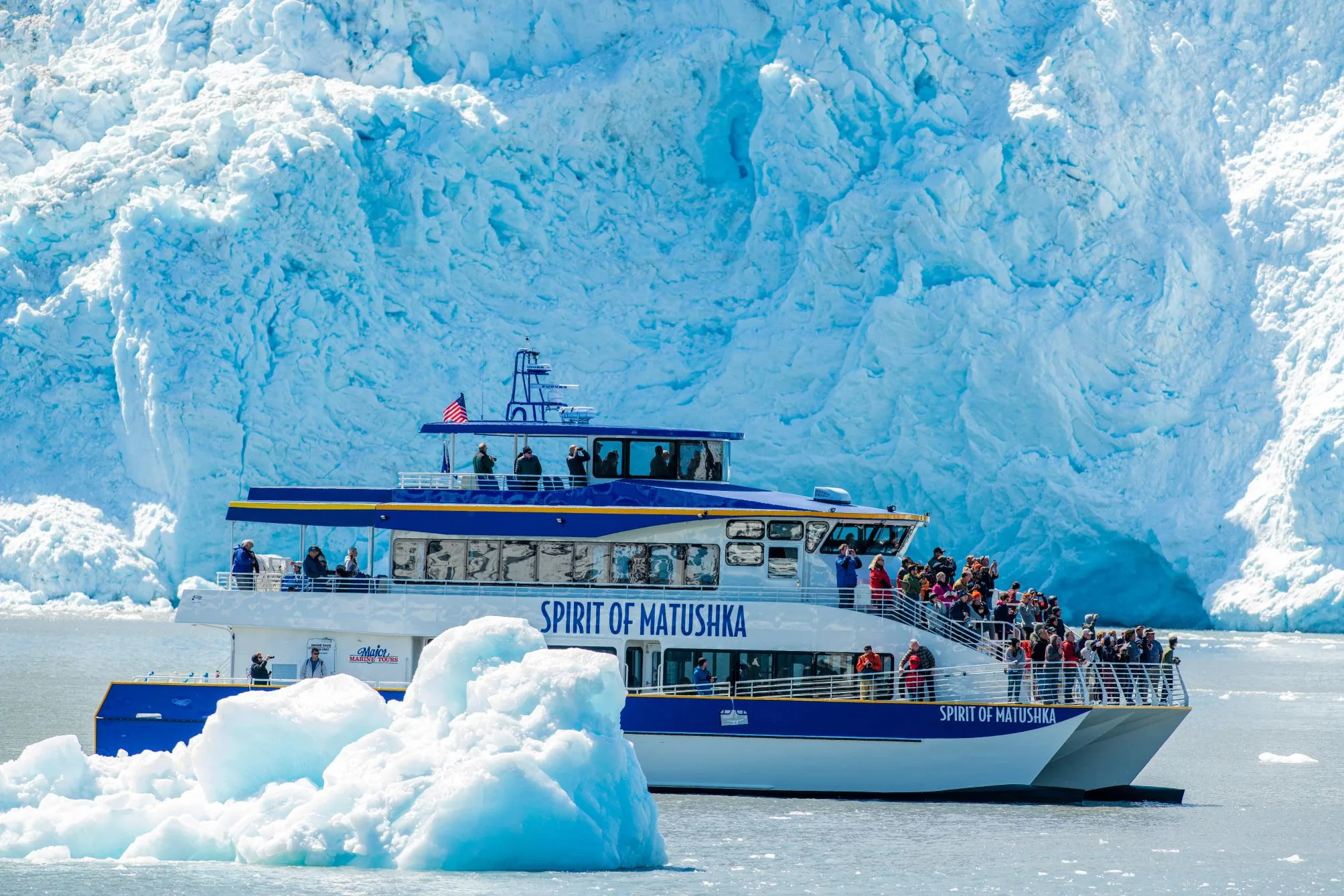
Kenai Fjords from Seward, Prince William Sound's twenty-plus glaciers from Whittier, Juneau's day boats — tidewater ice doing its show while otters, puffins and sea lions fill the card.
Humpbacks on Schedule
Every summer the humpbacks return to Southeast Alaska so reliably that Juneau's fleet guarantees sightings — with orcas making cameo appearances on the good days.
In the Air
Denali from the Jump Seat
Most of Alaska has no road to it — bush planes and helicopters are how the state shows itself: summit circles from Talkeetna, glacier landings, and Juneau's icefield by helicopter.
The Aurora, Chased Properly
Fairbanks sits directly under the auroral oval — heated lodges, midnight pickups and photo coaching make the lights less a maybe than a schedule, late August through mid-April.
On the Land
The State Sport, Seated
Winter trail runs behind Iditarod-line huskies, summer carts at the kennels, and the showstopper — a helicopter to a glacier dog camp where the snow never leaves. Every version ends with puppies.
Brown Bears at Honest Distance
A floatplane, a river of salmon, and brown bears at working distance — the classic fly-in day to Katmai and Lake Clark country, timed to the runs.
Where to Book
Alaska's Six Great Tour Bases
Each links to its strongest experience — start here if your route is already set. Sailing somewhere else? Browse all eleven ports & base towns →
The Capital of Guarantees
The whale fleet guarantees humpbacks, the helicopters land on the icefield, and the glacier sits at the end of a city bus line. Alaska's best single tour port.
Juneau Whale Watching →Gateway to Kenai Fjords
The national-park cruise capital — tidewater glaciers, whales and puffins in one day boat, two hours from Anchorage.
Kenai Fjords Cruises →Under the Auroral Oval
The northern lights capital of America — clear-sky odds, heated aurora lodges, and a season that runs late August to mid-April.
Fairbanks Aurora Tours →The Mountain Itself
North America's highest peak, flown from Talkeetna and the park — summit circles, glacier landings, and the windshield view that resets your sense of big.
Denali Flightseeing →Gold Rush Port, Husky Country
The cruise port that pairs White Pass history with glacier dog camps and summer mushing — the shore excursion people remember.
Skagway Dog Sledding →First Port, Full Card
Misty Fjords, totem country and salmon capital — Ketchikan turns cruise-ship hours into wilderness time.
Ketchikan Excursions →Cruise Passenger or Land Traveler?
Two Alaskas, One Guide
If you're arriving by cruise ship, your ports pick your menu: Juneau's whales and helicopter dog camps, Skagway's mushing, Ketchikan's fjord time. Booking independently rather than through the ship usually saves money for the same boats — but respect the golden rule of shore excursions: leave a buffer before all-aboard.
If you're traveling by land, the classic loop runs Anchorage → Seward (Kenai Fjords) → Talkeetna (Denali flights) → Denali Park, with Whittier's Prince William Sound a day trip from Anchorage. Add a fly-in bear day as the splurge, and — if your dates run late August onward — Fairbanks for the aurora as the finale.
If it's winter, Alaska inverts: the cruise ports sleep while the aurora peaks, the mushing gets real, and the state becomes the quietest world-class trip in America.
How to Choose
Three Questions to Find Your Tour
Water, air or land?
One of each makes the ideal trip: a glacier cruise (the classic day), a flight (the scale), and a dog team or bear day (the story you'll tell first).
Summer or winter?
May–September is cruise-and-wildlife season — whales, bears and glacier boats all running. Late August–April belongs to the aurora, darkest months strongest. The shoulder (late August–September) uniquely offers both.
How weather-proof is your plan?
Flights and fly-ins bump for weather routinely — schedule them early in your stay so a postponement can rebook. Boats sail in drizzle; the aurora needs clear sky, not warm air. Free cancellation is standard — use it, don't fear it.
Alaska Tours — FAQ
What travelers ask before booking tours in Alaska.
The consensus podium: a Kenai Fjords glacier-and-wildlife cruise from Seward (the classic full day), Juneau whale watching (humpback sightings so reliable the fleet guarantees them), and a Denali flightseeing trip from Talkeetna — ideally with a glacier landing. Round it out with dog sledding (helicopter glacier camps in summer, real trails in winter), a fly-in bear viewing day, and — late August to April — the Fairbanks aurora. Our category pages compare the top-rated options for each.
Both — but know what the road reaches. Alaska's highway system touches a small fraction of the state: you can drive to trailheads, viewpoints and towns, but the tidewater glaciers, feeding humpbacks, bear rivers and Denali's flanks are boat, plane and helicopter territory. In Alaska, tours aren't an add-on to the trip; for the marquee sights they're the only transportation there is.
For the classic wildlife-and-glacier trip: May–September, with June–August the peak (whales feeding, bears on the salmon, all boats running). For the northern lights: late August–mid-April, the darker the better. The overlooked sweet spot is late August–early September, when you can watch whales by day and catch the aurora at night — the only window where both Alaskas run at once.
Honest ranges: half-day whale watching $120–$200; full-day Kenai Fjords or Prince William Sound cruises $180–$300; flightseeing $250–$450 (glacier landings at the upper end and worth it); helicopter dog-sledding camps $600–$700; fly-in bear viewing $800–$1,200 (floatplane time is the driver). Alaska is a premium destination — the good news is the tours deliver at the level they charge. Each page lists current prices.
Yes — most Juneau operators guarantee whale sightings in season (roughly May–September) or refund a portion of your fare, and payouts are rare: the humpbacks return to these feeding waters so dependably that captains plan routes around known animals. Orcas are the bonus card — never guaranteed, regularly delivered.
Juneau, by a nose — guaranteed whales, helicopter glacier trips and Mendenhall Glacier all within shore-leave range. Skagway counters with the White Pass railroad and glacier dog camps; Ketchikan with Misty Fjords and salmon-country wildlife. The honest advice: book independently where timing allows (same boats, better prices than the ship's desk), and always leave a buffer before all-aboard.
Weather runs Alaska. Flightseeing, helicopter and floatplane trips bump routinely for cloud and wind — schedule them early in your stay so a postponement has room to rebook, and treat free cancellation as part of the plan. Boats sail in drizzle (bring layers; the wildlife doesn't mind rain). Aurora tours run on clear sky, not warm air — the guides chase the holes in the clouds.
On a summer glacier cruise: sea otters, harbor seals, Steller sea lions, puffins and bald eagles are near-certain; humpbacks very likely; orcas, mountain goats and bears possible. Bear viewing fly-ins put brown bears at working distance essentially by design, timed to the salmon runs. The one animal nobody promises is the wolverine — if you see one, buy a lottery ticket.
The big day cruises are the most accessible marquee experience — heated cabins, restrooms, food aboard, and calm-water routes on many itineraries. Kennel visits and summer dog-cart rides suit all ages; flightseeing works for anyone who can board a small plane. Fly-in bear days and glacier treks are the strenuous end. Every page notes group formats — when in doubt, the operators answer accessibility questions honestly.
For July–August: weeks ahead for the marquee tours — Kenai Fjords boats, Juneau helicopters and bear fly-ins sell out, and cruise-ship days concentrate demand into port hours. May, June and September are kinder. Winter aurora tours in Fairbanks book comfortably days ahead except around holidays and Lunar New Year weeks. Free cancellation is standard, so booking early costs nothing but indecision.
Still have questions? Email us at info@bestalaska.tours